

October is National Breast Cancer Awareness Month. Breast cancer is one of the most common cancers affecting women, and it has touched my life in several ways. My grandma, a family friend, and my cousin have all battled breast cancer.
One of the most important tools in the fight against breast cancer is early detection. Getting a mammogram should be at the top of your health checklist, but many women wonder when they should schedule their first screening and what the results might mean.
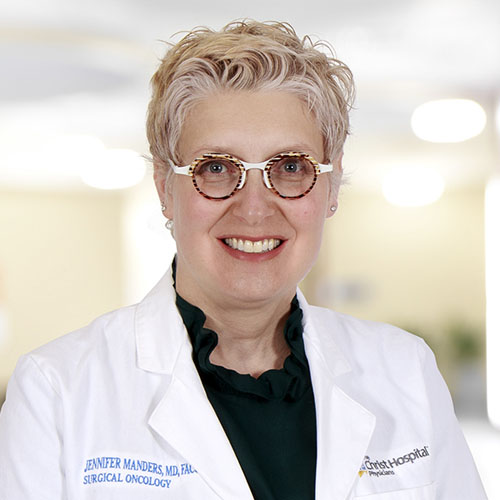
To learn more, I spoke with Dr. Jennifer Manders of The Christ Hospital about mammograms, screening recommendations and what patients can expect throughout the process.
When Should You Get Your First Mammogram?
When it comes to scheduling your first mammogram, Dr. Manders said, “Get your first mammogram at age 40 or 10 years younger than the youngest diagnosis in your family. Mammograms should occur annually.”
While age 40 is the standard recommendation for many women, family history can play a significant role in determining when screening should begin.
Understanding Mammogram Results
Waiting for test results can be stressful, but not every finding is cause for concern.
When mammogram results come in, Dr. Manders explained, “There could be benign or possibly benign findings which are followed by repeat imaging in the future. Suspicious or highly suspicious findings require a biopsy. Sometimes the mammogram is read as incomplete if additional imaging is recommended.”
An incomplete mammogram does not necessarily mean something is wrong. It simply means doctors need additional images to get a clearer picture.
What Happens If Something Abnormal Is Found?
If your mammogram shows an area that needs further evaluation, there are several next steps your care team may recommend.
Dr. Manders said, “You will need to undergo either additional mammograms and/or an ultrasound. A biopsy might be recommended, which is a quick, outpatient procedure performed in the Breast Center.”
While follow-up testing can be nerve-racking, these additional screenings help doctors determine whether a finding is benign or requires further treatment.
Breast Cancer Treatment Has Come a Long Way
There are more treatment options available today than ever before, and care plans are tailored to each patient’s specific diagnosis.
Dr. Manders said, “Surgery is usually recommended, followed by radiation and systemic therapy. All of these options have changed dramatically over the years, and recommendations are tailored specifically to your cancer type and your medical history.”
Advances in treatment continue to improve outcomes and provide patients with more personalized care.
Understanding Your Family Risk
If breast cancer runs in your family, it is important to understand your personal risk and discuss it with your healthcare provider.
Dr. Manders said, “The best place to start is by talking to your PCP or OB/Gyn about your family's history. If significant, you can make an appointment to see our High-Risk Clinic where a comprehensive discussion and exam will occur, with a focus on your risk and recommended imaging studies. Genetic testing may be discussed.”
Knowing your family history and having open conversations with your healthcare team can help ensure you receive the screening and care that are right for you.
Schedule a Mammogram
About Jennifer Fritsch
Jennifer Fritsch is part of the Jeff and Jenn Morning Show on Q102, which airs on weekdays from 5:30-10 a.m. She is also a co-host on Q102’s Hot List, weekdays at 10 a.m. When she isn't working, Fritsch enjoys traveling, visiting new places and of course, being a mom! She has a daughter named Penelope, and thoroughly enjoys trying new things together as a mother/daughter duo. As a paid partner of The Christ Hospital Health Network, Fritsch is eager to share all experiences through through blogging and social media.

Featured in This Post
 Christ Hospital nurse shares story of breast cancer survival ahead of her wedding - opens in a new tab - external linkAshley Holbrook, a nurse at Christ Hospital, is sharing her story of breast cancer survival as she prepares for her wedding. Holbrook, a heart transplant coordinator, was diagnosed with breast cancer earlier this year. With a family history of the disease, she knew it could be a possibility for her.
- October is Breast Cancer Awareness MonthFrom earlier detection to innovative new treatments, our women's health experts are doing Everything It Takes to raise awareness of the impact of breast cancer.
- Conversations for Confidence: Expert Answers About Cancer SurgeryConsidering cancer surgery – or preparing for an upcoming procedure – can raise a lot of questions. Leading experts answer real questions from real people about cancer surgery.
- Your Health, Your Voice: Comprehensive Care for WomenWomen’s healthcare can be complex, and your needs change as you move through life stages. Learn how to maximize your health long-term from the experts at The Christ Hospital Health Network.
- Breast Cancer: What You Should Know From Screening to Treatment and MoreBreast cancer is the one of the most common cancers in women in the United States, but there is good news: We have new tools and techniques to help prevent and combat the disease.
- It's always a good time to schedule your mammogram!October is a good time to schedule a mammogram, but there’s never a bad time. But how early should you start screening? And what else do you need to know about your risks and screening options? Q102’s Jennifer Fritsch gets answers from Kelly McLean, MD.
- Heather's Story: Still Dancing After a Second Opinion to Beat a Rare Form of Breast CancerThe dance goes on for Heather Britt after a second opinion with The Christ Hospital Health Network and collaboration with the Dana-Farber Brigham Cancer Center helped her overcome the misdiagnosis of a rare form of breast cancer.


