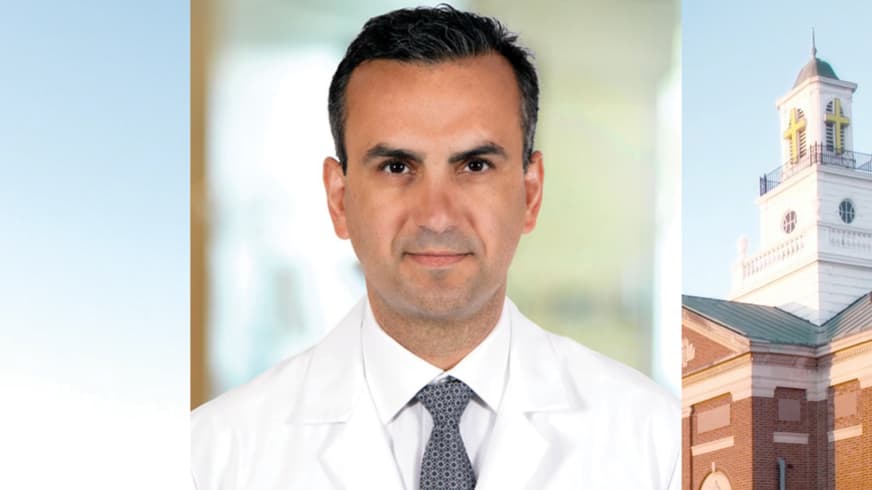

Karthik Kanagarajan, MD, pulmonary and sleep specialist with The Christ Hospital Health Network, says the time change can contribute to interrupted sleep leading to tiredness, feeling sluggish and with earlier evening darkness can even trigger seasonal blues!
“Lack of sleep can increase mood disorders, depression, anxiety and even car crashes due to drowsy driving in the evening,” said Dr. Kanagarajan. “It’s important to know if the time change impacts you and to plan for Daylight Saving Time coming to an end.”
To maximize the benefits of an extra hour we gain from fall time change, AASM (American Academy of Sleep Medicine) recommends the following:
•Go to bed at your usual bedtime.
•Just before getting into bed, set your clocks back one hour.
•Wake up at your standard wake time.
•Take note of how much better you feel after an extra hour of sleep.
•On the Sunday after the time change, your normal bedtime will be an hour earlier. Go to bed at this earlier time to reset your sleep schedule to achieve longer sleep.
About The Christ Hospital Health Network
The Christ Hospital Health Network consists of an acute care hospital located in Mt. Auburn, a remote hospital location in Liberty Township, five ambulatory outpatient centers and dozens of medical offices throughout the region. For more than 135 years, The Christ Hospital has provided compassionate care to those it serves. Made up of more than 1,300 physicians and more than 7,200 team members, our mission is to improve the health of our community by providing exceptional outcomes in an affordable way. The Network was recognized by U.S. News & World Report as the #1 hospital in the Cincinnati Region and named to Newsweek’s World’s Best Hospitals list in 2025.
- New Study at The Christ Hospital Shows Shift Toward Apron-Free Interventional LabEgg Medical announced the publication of a prospective study in the Journal of the American Heart Association (JAHA) evaluating its EggNest Enhanced Radiation Protection Devices (ERPDs).
- The Christ Hospital Health Network Recognized for Digital Health AchievementThe Christ Hospital Health Network is proud to announce its Level 8 achievement in the acute and ambulatory care categories.
- The Christ Hospital Health Network Launches Center for Obesity & Metabolic HealthThe Christ Hospital Health Network has launched its new Center for Obesity & Metabolic Health at 7450 Mason-Montgomery Road in Mason.
- The Christ Hospital Health Network Receives Historic $50 Million DonationGift from The Farmer Family Foundation Will Support the Modernization and Expansion of Key Facilities Designed to Elevate the Patient Experience and Represents one of the Largest Philanthropic Investments in Healthcare in Greater Cincinnati History.
- The Christ Hospital Health Network Recognized for Efforts to Improve Blood PressureThe Christ Hospital Health Network has earned the Silver+ level recognition from the American Heart Association through Target: BP™, a national initiative that supports healthcare organizations treating high blood pressure.
- Doctor at The Christ Hospital Performs First-in-the-Region Robotic Gallbladder Removal SurgeryThe Christ Hospital Health Network recently performed the first-in-the-region Single Port robotic gallbladder removal surgery.
- Look Up! Historic Christ Hospital Tower to Illuminate Cincinnati Skyline During BLINKAs millions of visitors visit Cincinnati for BLINK, a powerful beam of yellow and blue light will rise from The Christ Hospital’s historic cupola on Mt. Auburn campus into the night sky, creating a beacon designed to be visible from miles away.
- The Christ Hospital Health Network Honored for Promoting Well-Being of Healthcare WorkersThe Christ Hospital Health Network earned the Bronze Level recognition from the American Medical Association (AMA) as part of its Joy in Medicine™ Program.