


In football, preparation is only part of the story. Knowing how to adjust from play to play is the other.
A quarterback can spend hours studying the playbook, but when game day arrives, success depends on reading the field, making smart decisions and working with the right teammates at the right time.
The same is true in healthcare.
Primary care providers, the quarterbacks of your healthcare tea, are there to navigate complex decisions, recognize potential health concerns, coordinate care, and connect you with the resources you need to achieve your health goals. They help you understand your options, determine the next steps in treatment, and provide referrals to specialists.
Calling the Right Play
No two patients are the same, which means no two healthcare decisions are exactly alike.
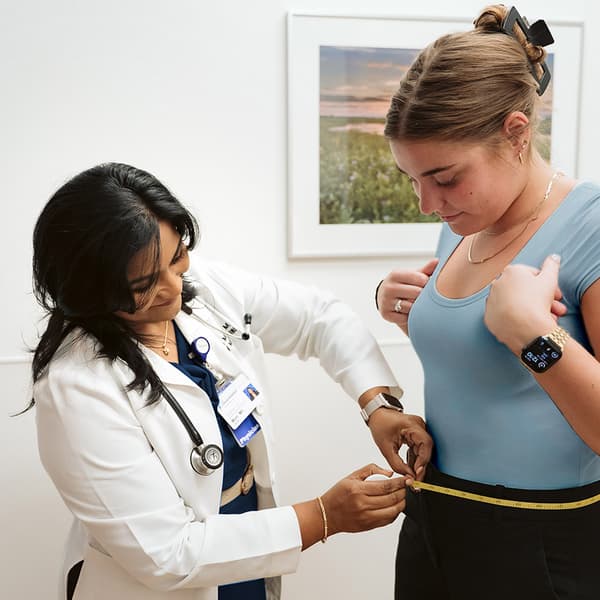
For Dr. Monika Moni, effective care begins with seeing the whole person rather than focusing soley on a diagnosis or symptoms. Understanding your health history, lifestyle goals and concerns provides a more complete picture and helps guide the best path forward.
Dr. Moni prioritizes being ready to get into the game. “You have to be ready for the change. If I tell you everything you need to do but you’re not ready, it won’t make an impact. We meet you where you are.”
Like a quarterback assessing the defense before the snap, primary care providers evaluate each patient’s unique circumstances before calling the next play.
Knowing When to Make the Handoff
The best quarterbacks rely on their teammates for the best results.
Primary care physicians often serve as the first point of contact for patients, but they also play an important role in determining when additional expertise is needed. Connecting you with specialists and ensuring a smooth transition of care can make a significant difference in patient outcomes.
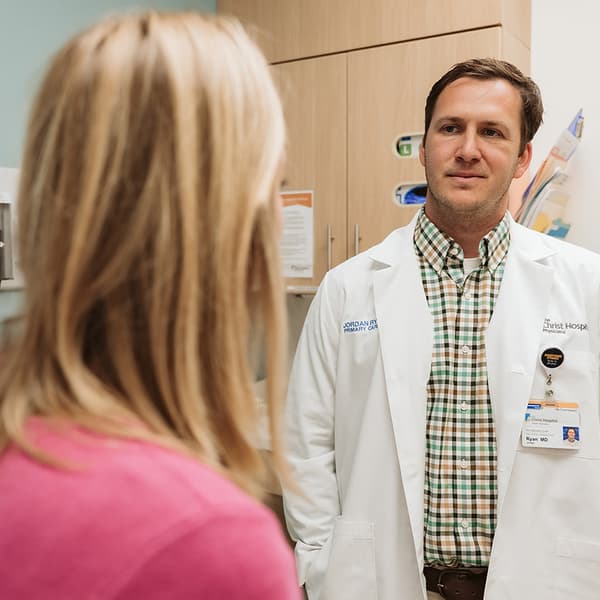
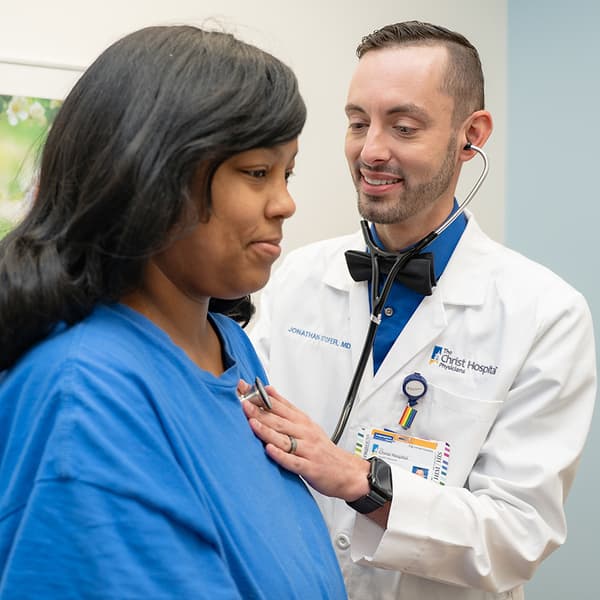
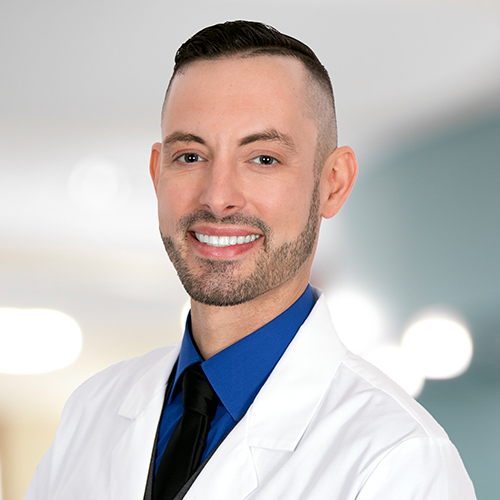
"When it comes to primary care, our job is to make sure patients get to the right specialists and fully understand what’s going on with their health,” says Dr. Jonathan Stofer.
When health concerns require additional evaluation or treatment, you can benefit from having a trusted physician who understands your medical history and can help guide the process.
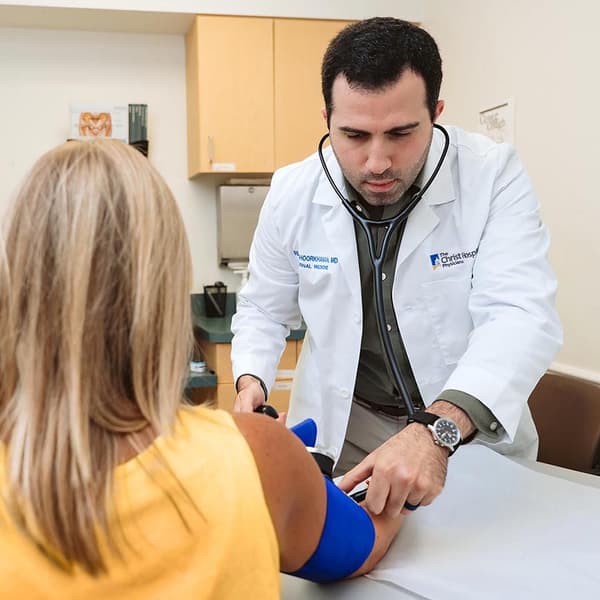
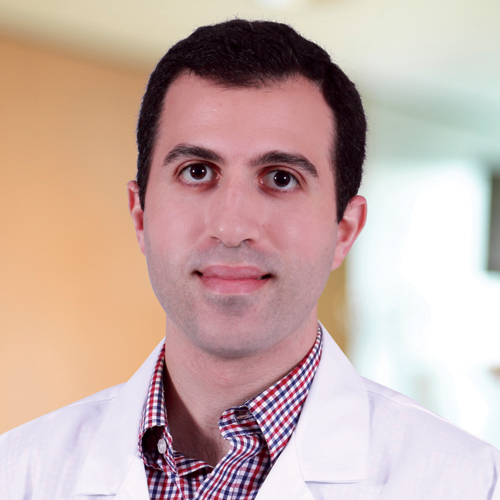
Dr. Reza Ghoorkhanian emphasizes that the right handoff can change the game. Rather than leaving patients to navigate the healthcare system on their own, primary care physicians help coordinate care and maintain communication across the healthcare team. Embodying this collaborative approach, Dr. Ghoorkhanian ensures that “I coordinate seamlessly with specialists when it matters most.”
Clear Communication Leads to Better Decisions
Every successful team depends on communication.
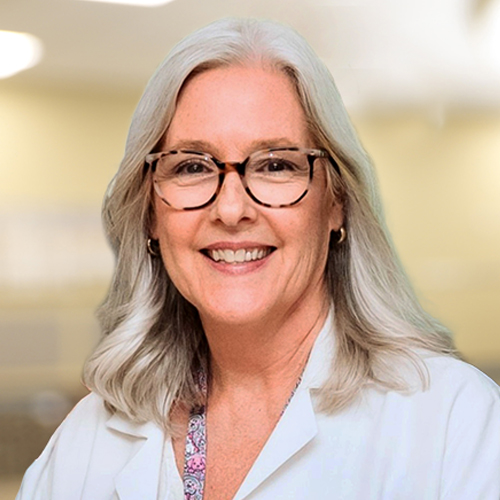
According to Dr. Sandra Hans, the clearer the call, the better the decision. Clear communication helps you better understand your health, your options, and the reasoning behind important medical decisions.
Dr. Hans says providers can provide education through tools such as PatientPoint, a digital health company that provides patient engagement solutions, point-of-care- digital screens, and health education for doctors, “PatientPoint gives the patients the knowledge and confidence to take an active role in their care, she says.”
When physicians and patients work together with a shared understanding, they are better equipped to make decisions that support long-term health and wellness.
A Team Effort
While primary care physicians may be the quarterbacks of healthcare, they are not working alone.
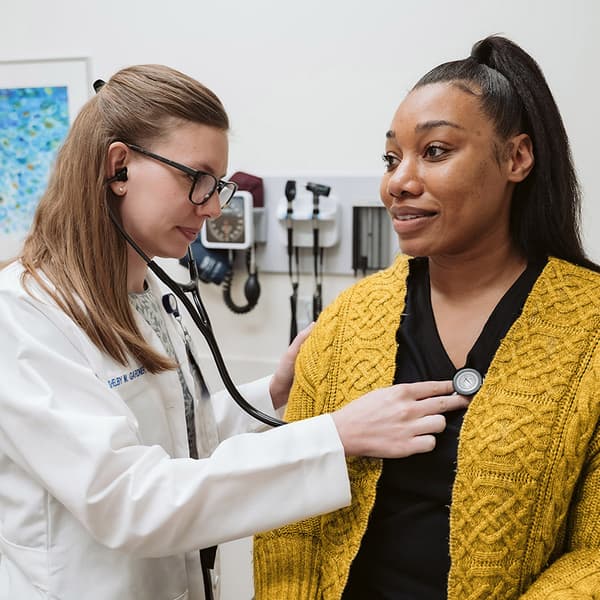
Dr. Shelby Gardner values being part of a community of caregivers dedicated to doing what’s right for patients. “I get to be a part of a community of people from specialists to schedulers, who care about getting it right for our patients, she says.” High-quality care depends on the collaboration across the entire healthcare team.
When every member of the team works together, patients benefit from a coordinated approach designed to support their overall health and wellbeing.
The Final Whistle
Great quarterbacks are known for their ability to see the field, make smart decisions, and help their teammates succeed.
Primary care physicians do the same every day.
From guiding treatment decisions and coordinating specialist care to identifying potential concerns early and supporting patients through every stage of life, they keep healthcare moving in the right direction.
Because when it comes to your health, having the right quarterback on your team can make all the difference.
Featured in This Post
Tags
Experts
 Shelby Michael Gardner, MD
Family Medicine
 Borna R. Ghoorkhanian, MD
Internal Medicine
 Bryan P. Grove, MD
Family Medicine
 Sandra L. Hans, MD
Family Medicine
 Monika Moni, MD, FAAFP, DABOM
Family Medicine
 Jordan J. Ryan, MD
Family Medicine
 Jonathan Stofer, MD
Family Medicine
Services
- What You Need to Know About MammogramsWhen should you get your first mammogram? What do the results mean? How does family history factor into screening recommendations? Q102's Fritsch gets these answers and more from an expert.
- October is Breast Cancer Awareness MonthFrom earlier detection to innovative new treatments, our women's health experts are doing Everything It Takes to raise awareness of the impact of breast cancer.
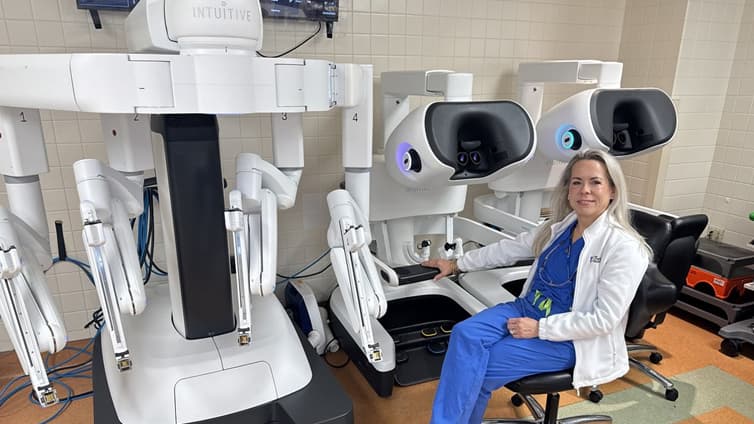 Redefining Surgical Excellence Across Several SpecialtiesAt The Christ Hospital Health Network, robotic surgery is more than a technology. It reflects a systemwide standard of surgical excellence—combining nationally recognized surgeons, highly specialized care teams, leading-edge innovation and a focus on exceptional outcomes and the finest patient experience at every stage.
 More Than “Go Juice”—Coffee Can Help Your HeartGood news for coffee lovers! Recent guidance from the American Heart Association says your daily cup, or cups, of Joe may actually provide several heart-protective benefits. Here’s what you need to know.
- Back to the Life He Loves: Tim Finds Relief After Years of Knee PainAfter years of painful hesitation around surgery for osteoarthritis in his knee, Tim has his life back, and now he's asking, "why did I wait so long?"
- The Christ Hospital Delivers an Exceptional Birth ExperienceDeciding to have a baby is a huge life decision. So is deciding where, but that's an easy one. Q102's Jennifer Fritsch finds out why with a look at the expansion of The Christ Hospital Liberty Township Birthing Center.
 GLP-1 Medications: Why a Personalized Approach MattersGLP-1 medications are popular weight loss tools, but they aren’t a one-size-fits-all solution. Instead, weight-loss experts recommend including GLP-1s as part of a personalized care plan.


