


When you think of a quarterback, you may think of someone who sees the whole field, makes quick decisions, and helps move the team toward a common goal. When it comes to health, your primary care providers fill that role. They are often the first call when a health concern arises, the trusted voice to help you navigate important decisions, and the central connection between specialists, screenings, treatments, and long-term wellness.
Being a primary care provider is about building relationships, understanding each patient’s unique goals, and developing a game plan that evolves throughout every stage of life. This edition of the Quarterback Series introduces some of the physicians who fill that role every day. Their approaches may differ, but they share a common game plan: helping patients live healthier lives through trust, communication, prevention, and personalized care.
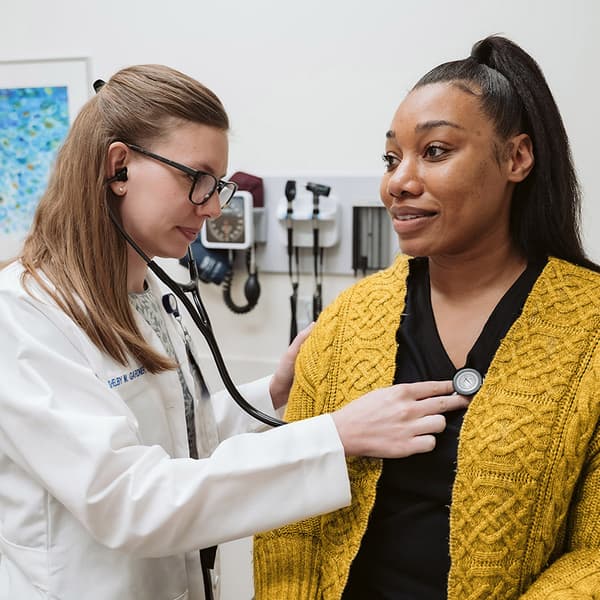
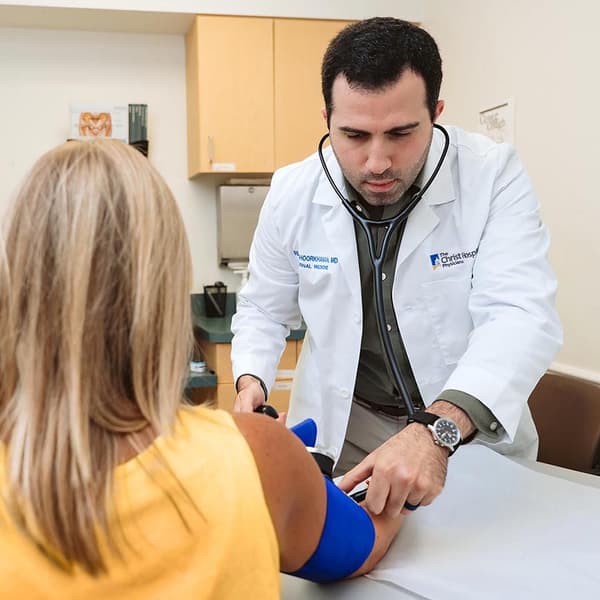
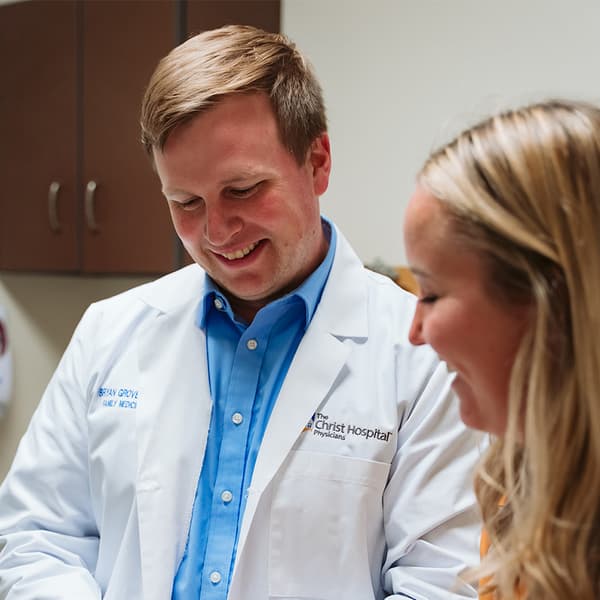
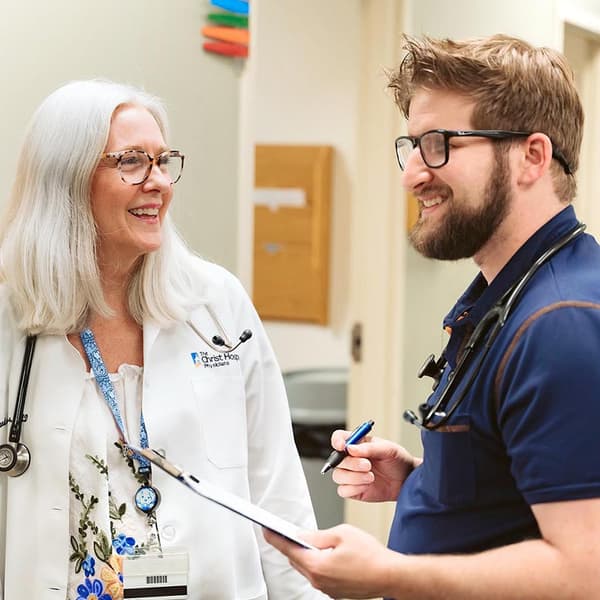
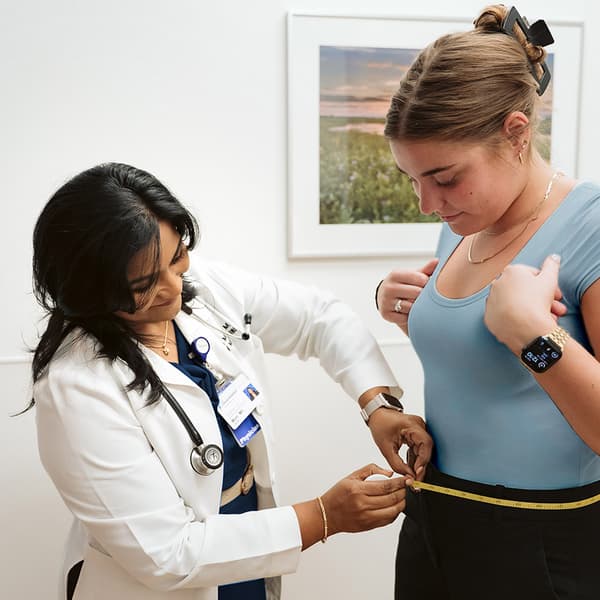
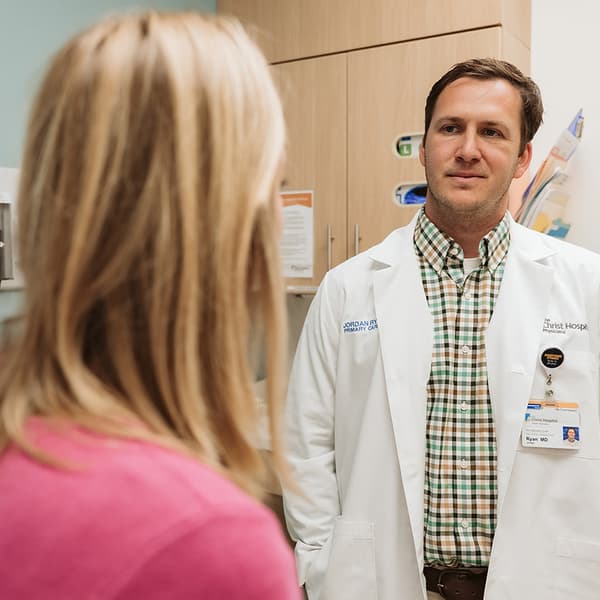
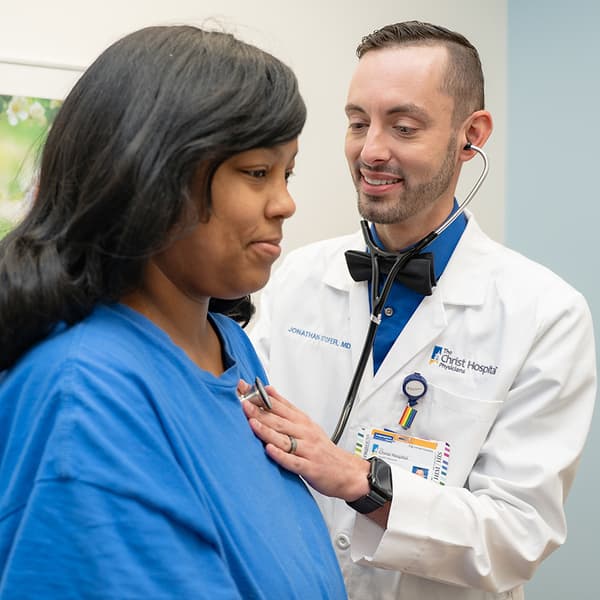
We asked the Quarterbacks of primary care physicians at The Christ Hospital Health Network to share their perspectives on prevention, relationships, screenings, healthy habits, and what they wish more patients knew. There is one common theme: A solid healthcare game plan requires a trusted quarterback to distribute your care.
Why is having a primary care provider so important?
Dr. Byran Grove:
“Having an established primary care provider means you have someone who can coordinate your care, so you get treated quickly instead of going through the ER or urgent care.”
Dr. Jonathon Stofer:
“A patient should always contact their PCP before going to a specialist. Often, we can start the workup ahead of time so when they do see a specialist, they can dive deeper into the issue.”
Dr. Shelby Gardner:
“By getting to know a patient’s values, a primary care doctor can help make decisions to keep you healthy over the course of your lifetime.”
What is the biggest mistake people make when it comes to their health?
Dr. Jordan Ryan:
Skipping regular checkups. “People often underestimate the importance of annual visits, not just for that appointment, but to track changes over time. Without consistency, it’s hard to know when something isn’t normal.”
Dr. Shelby Gardner:
Waiting until symptoms appear. “By coming to your annual physical, your primary care doctor can help you identify problems early, sometimes before you even have symptoms.”
Dr. Jonathon Stofer:
Thinking prevention only occurs in the doctor's office. “Prevention isn’t just what happens in the exam room. It’s about the choices we make every day, like what we’re cooking at home.”
What is one piece of health advice everyone should hear?
Dr. Sandra Hans:
Finding balance on and off the field. “Balance means caring for myself and my team, while caring for patients. You have to fill your own cup before you can pour into others.”
Dr. B. Reza Ghoorkhanian:
“Building trust starts with listening first.”
Dr. Monika Moni:
“You have to be ready for the change. I tell you everything you need to do but you’re not ready; it won’t make an impact. We meet you where you are.”
What does patient-centered care actually look like?
Dr. Bryan Grove:
“When choosing a treatment, I consider three things: is this right for the patient, does it align with their goals, and can they afford it? All three matter.”
Dr. Jordan Ryan:
“The most intentional thing I do when I enter a patient’s room is sit down, look them in the eyes, and truly listen.”
Dr. Jonathon Stofer:
“I treat my patients like family. It’s important that we talk through the pros and cons of any big decision together.”
What motivates doctors the most?
Dr. Monika Moni
“When patients say, ‘I’m running with my kids again’ or ‘I can play with my grandkids’, that’s what keeps me going as a physician.”
Dr. Jordan Ryan:
“Seeing patients regularly over time, working with them, and helping them overcome their challenges.”
Dr. Shelby Gardner:
Helping people stay healthy so they can continue showing up for the people who matter most. “Take care of yourself so that you can be here for the people who matter to you.”
No matter their approach, these physicians agree on one thing: prevention, strong relationships, and consistent care can change the course of one’s health journey. And this is why they go by one central title: the quarterback of your care.
Featured in This Post
Tags
Experts
 Shelby Michael Gardner, MD
Family Medicine
 Borna R. Ghoorkhanian, MD
Internal Medicine
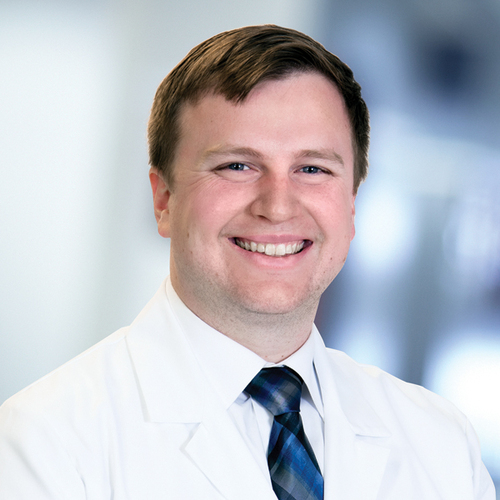 Bryan P. Grove, MD
Family Medicine
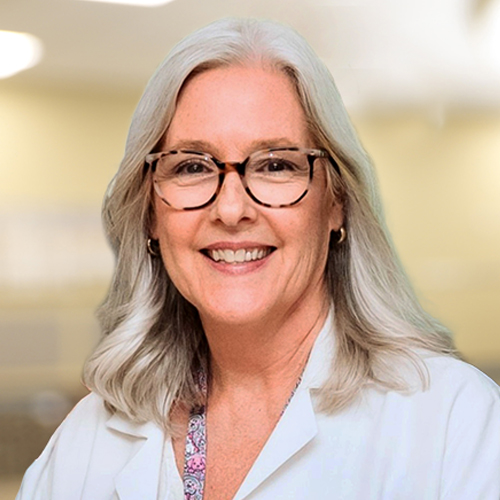 Sandra L. Hans, MD
Family Medicine
 Monika Moni, MD, FAAFP, DABOM
Family Medicine
 Jordan J. Ryan, MD
Family Medicine
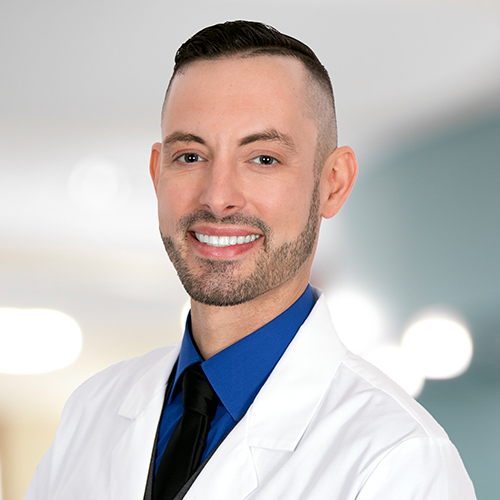 Jonathan Stofer, MD
Family Medicine
Services
- What You Need to Know About MammogramsWhen should you get your first mammogram? What do the results mean? How does family history factor into screening recommendations? Q102's Fritsch gets these answers and more from an expert.
- October is Breast Cancer Awareness MonthFrom earlier detection to innovative new treatments, our women's health experts are doing Everything It Takes to raise awareness of the impact of breast cancer.
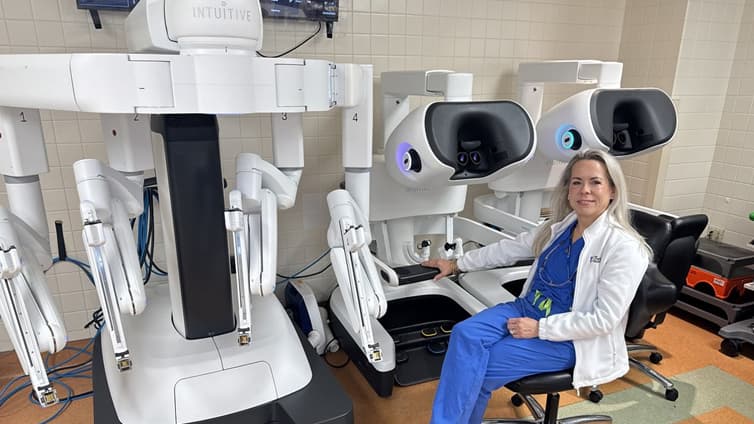 Redefining Surgical Excellence Across Several SpecialtiesAt The Christ Hospital Health Network, robotic surgery is more than a technology. It reflects a systemwide standard of surgical excellence—combining nationally recognized surgeons, highly specialized care teams, leading-edge innovation and a focus on exceptional outcomes and the finest patient experience at every stage.
 More Than “Go Juice”—Coffee Can Help Your HeartGood news for coffee lovers! Recent guidance from the American Heart Association says your daily cup, or cups, of Joe may actually provide several heart-protective benefits. Here’s what you need to know.
- Back to the Life He Loves: Tim Finds Relief After Years of Knee PainAfter years of painful hesitation around surgery for osteoarthritis in his knee, Tim has his life back, and now he's asking, "why did I wait so long?"
- The Christ Hospital Delivers an Exceptional Birth ExperienceDeciding to have a baby is a huge life decision. So is deciding where, but that's an easy one. Q102's Jennifer Fritsch finds out why with a look at the expansion of The Christ Hospital Liberty Township Birthing Center.
 QB Series: Primary Care Game Day DecisionsIn football, preparation is only part of the story. Knowing how to adjust from play to play is the other. The same is true in healthcare where your primary care quarterback can help you make the right adjustments.
 GLP-1 Medications: Why a Personalized Approach MattersGLP-1 medications are popular weight loss tools, but they aren’t a one-size-fits-all solution. Instead, weight-loss experts recommend including GLP-1s as part of a personalized care plan.


