A Deep Breath of Relief: Mary Kay’s Zephyr Valve Journey

​Mary Kay Clay, 75, smoked for 50 years. She quit 10 years ago but still developed emphysema and believed no good therapy existed.

“I’d been dealing with emphysema for a long time. I wasn’t really going to doctors much anymore because I just didn’t think there was anything they could do,” says the Kentucky resident and retired nurse. “I smoked for so many years, and there’s a consequence to that.”

Still, Mary Kay wasn’t happy with her limitations which included using oxygen at home and not being able to enjoy activities such as cleaning her house, working in her yard or playing​​ with her grandchildren. So, when her daughter suggested she search for any advancements in emphysema care, Mary Kay turned to Duane Allen, MD, a pulmonologist and critical care specialist with The Christ Hospital Physicians-Pulmonary Medicine.

Dr. Allen recommended an updated treatment option—The Zephyr Valve​. This minimally invasive, surgically implanted device helped Mary Kay do something she hadn’t done in years. It allowed her to breathe deeply again.

The Struggle with Emphysema

Chronic obstructive pulmonary disease (COPD) causes mucus to build up in the lungs. It restricts airflow and makes it harder for the lungs to inflate fully. So, people with COPD are often short of breath and get tired easily. Emphysema is a specific type of COPD where air gets trapped in the lungs, causing them to stretch, which damages the lung tissue.

“Emphysema destroys the lungs by making them bigger. It stretches out all the muscles of breathing, including the rib cage and diaphragm,” Dr. Allen says. “We’ve known for a long time that, if we can make the lungs smaller in patients with emphysema, they get better.”

Oxygen therapy and inhalers help manage symptoms. But for long-term solutions, doctors have traditionally treated emphysema with lung volume reduction surgery. For this procedure, surgeons must open the chest to remove damaged lung tissue, making the organs smaller. It’s a complex invasive surgery with a high risk of complications and a long recovery.

Patients need a better treatment option, Dr. Allen says. That’s where The Zephyr Valve comes in.

The Zephyr Valve—A Breath of Fresh Air for Patients

Also known as bronchoscopic lung volume reduction (BLVR), The Zephyr Valve is intended for patients with moderate-to-severe emphysema and stage 3 or 4 COPD. It requires a three-day hospital stay and works best for people who have quit smoking but continue to struggle with shortness of breath even after oxygen or inhaler therapy.

With this minimally invasive procedure, surgeons target areas of the lungs most affected by emphysema. They insert one-way valves into the airways that feed oxygen to the lungs. The valves let trapped air escape, deflating those areas. Doing so also redirects airflow to healthier lung tissue that can deliver more oxygen to the blood.

Overall, Dr. Allen says, The Zephyr Valve helps lungs become more efficient.

“Zephyr Valves are one of the few circumstances in our office where we can make a patient a lot better with an intervention,” he says. “It’s incredibly gratifying to see someone who’s just thrilled to be living their life, being able to breathe again. They feel like they have a new lease on life.”

Breathing Easy Again
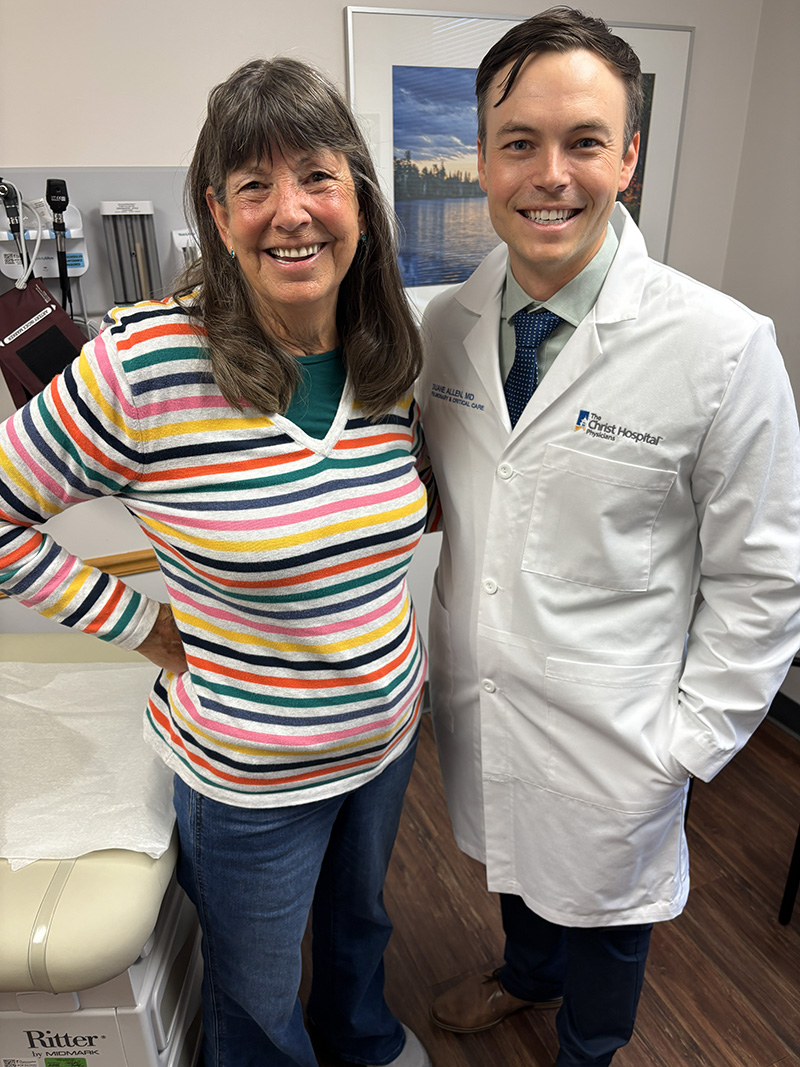
Mary Kay Clay Duane Allen, MD Zephyr ValveFor Mary Kay, The Zephyr Valve surgery was a simple, complication-free procedure. By her last day in the hospital, she was breathing deeply without any trouble. It was a sensation that felt like a gift, she says.

“For people who breathe normally, that doesn’t seem like a big deal,” she says. “But for people with COPD, that’s a huge thing.”

Shortly after surgery, Mary Kay started pulmonary rehabilitation. With the help of rehabilitation therapists, she pushed herself to begin exercising again. As she regained her strength, her concerns about shortness of breath faded away.

“I’m 75. It’s not like I’m a 20-year-old,” she says. “But I can do things now that I never could before.”

Now Mary Kay is back in her yard, raking leaves and mowing grass. She can walk across parking lots when she goes out with friends. And she achieved a pre-surgery goal: she walked up Bear Hill at the Cincinnati Zoo and Botanical Gardens. It was a feat she wanted to accomplish so she could enjoy a day at the zoo with her grandchildren. She credits Dr. Allen for that success.

“Climbing that hill may sound like a small thing, but for me, it was monumental,” she says. “The day I conquered Bear Hill, I sent Dr. Allen a little note of thanks. The Zephyr Valve surgery made all the difference.”

Frequently Asked Questions About the Zephyr Valve

Q: How can you find out more about The Zephyr Valve?
A: If you believe you may be a candidate for The Zephyr Valve and want to learn more, call the pulmonary office at The Christ Hospital Health Network at 513-241-5489.

Q: Are there any requirements for receiving The Zephyr Valve?
A: Yes, you must be a non-smoker before you can undergo this procedure. Talk to your doctor about whether this procedure is right for you.

Q: Will you need follow-up care after the surgery?
A: Yes. You will have follow-up visits to monitor your progress, make adjustments and check that the valves are still securely in place.​

Current patients can ask their primary pulmonologist if they believe they may be a candidate for a Zephyr Valve, or call our office at 513-241-5489 for ​more information. Ask your primary care provider about a referral if you believe you may be a candidate but if you are not an existing patient of The Christ Hospital Physicians - Pulmonary Medicine. ​

Duane Allen, MD

Duane Allen, MD, is a pulmonary disease and critical care medicine specialist with The Christ Hospital Physicians – Pulmonary Medicine. He is board certified in internal medicine and pulmonary disease by the American Board of Internal Medicine.

A Deep Breath of Relief: Mary Kay’s Zephyr Valve Journey Even years after quitting, the lasting damage from smoking and emphysema left Mary Kay with significant limitations but now a groundbreaking treatment called the Zephyr Valve has her breathing easier and living her best grandma life.

​Mary Kay Clay, 75, smoked for 50 years. She quit 10 years ago but still developed emphysema and believed no good therapy existed.

“I’d been dealing with emphysema for a long time. I wasn’t really going to doctors much anymore because I just didn’t think there was anything they could do,” says the Kentucky resident and retired nurse. “I smoked for so many years, and there’s a consequence to that.”

Still, Mary Kay wasn’t happy with her limitations which included using oxygen at home and not being able to enjoy activities such as cleaning her house, working in her yard or playing​​ with her grandchildren. So, when her daughter suggested she search for any advancements in emphysema care, Mary Kay turned to Duane Allen, MD, a pulmonologist and critical care specialist with The Christ Hospital Physicians-Pulmonary Medicine.

Dr. Allen recommended an updated treatment option—The Zephyr Valve​. This minimally invasive, surgically implanted device helped Mary Kay do something she hadn’t done in years. It allowed her to breathe deeply again.

The Struggle with Emphysema

Chronic obstructive pulmonary disease (COPD) causes mucus to build up in the lungs. It restricts airflow and makes it harder for the lungs to inflate fully. So, people with COPD are often short of breath and get tired easily. Emphysema is a specific type of COPD where air gets trapped in the lungs, causing them to stretch, which damages the lung tissue.

“Emphysema destroys the lungs by making them bigger. It stretches out all the muscles of breathing, including the rib cage and diaphragm,” Dr. Allen says. “We’ve known for a long time that, if we can make the lungs smaller in patients with emphysema, they get better.”

Oxygen therapy and inhalers help manage symptoms. But for long-term solutions, doctors have traditionally treated emphysema with lung volume reduction surgery. For this procedure, surgeons must open the chest to remove damaged lung tissue, making the organs smaller. It’s a complex invasive surgery with a high risk of complications and a long recovery.

Patients need a better treatment option, Dr. Allen says. That’s where The Zephyr Valve comes in.

The Zephyr Valve—A Breath of Fresh Air for Patients

Also known as bronchoscopic lung volume reduction (BLVR), The Zephyr Valve is intended for patients with moderate-to-severe emphysema and stage 3 or 4 COPD. It requires a three-day hospital stay and works best for people who have quit smoking but continue to struggle with shortness of breath even after oxygen or inhaler therapy.

With this minimally invasive procedure, surgeons target areas of the lungs most affected by emphysema. They insert one-way valves into the airways that feed oxygen to the lungs. The valves let trapped air escape, deflating those areas. Doing so also redirects airflow to healthier lung tissue that can deliver more oxygen to the blood.

Overall, Dr. Allen says, The Zephyr Valve helps lungs become more efficient.

“Zephyr Valves are one of the few circumstances in our office where we can make a patient a lot better with an intervention,” he says. “It’s incredibly gratifying to see someone who’s just thrilled to be living their life, being able to breathe again. They feel like they have a new lease on life.”

Breathing Easy Again

Mary Kay Clay Duane Allen, MD Zephyr ValveFor Mary Kay, The Zephyr Valve surgery was a simple, complication-free procedure. By her last day in the hospital, she was breathing deeply without any trouble. It was a sensation that felt like a gift, she says.

“For people who breathe normally, that doesn’t seem like a big deal,” she says. “But for people with COPD, that’s a huge thing.”

Shortly after surgery, Mary Kay started pulmonary rehabilitation. With the help of rehabilitation therapists, she pushed herself to begin exercising again. As she regained her strength, her concerns about shortness of breath faded away.

“I’m 75. It’s not like I’m a 20-year-old,” she says. “But I can do things now that I never could before.”

Now Mary Kay is back in her yard, raking leaves and mowing grass. She can walk across parking lots when she goes out with friends. And she achieved a pre-surgery goal: she walked up Bear Hill at the Cincinnati Zoo and Botanical Gardens. It was a feat she wanted to accomplish so she could enjoy a day at the zoo with her grandchildren. She credits Dr. Allen for that success.

“Climbing that hill may sound like a small thing, but for me, it was monumental,” she says. “The day I conquered Bear Hill, I sent Dr. Allen a little note of thanks. The Zephyr Valve surgery made all the difference.”

Frequently Asked Questions About the Zephyr Valve

Q: How can you find out more about The Zephyr Valve?
A: If you believe you may be a candidate for The Zephyr Valve and want to learn more, call the pulmonary office at The Christ Hospital Health Network at 513-241-5489.

Q: Are there any requirements for receiving The Zephyr Valve?
A: Yes, you must be a non-smoker before you can undergo this procedure. Talk to your doctor about whether this procedure is right for you.

Q: Will you need follow-up care after the surgery?
A: Yes. You will have follow-up visits to monitor your progress, make adjustments and check that the valves are still securely in place.​

Current patients can ask their primary pulmonologist if they believe they may be a candidate for a Zephyr Valve, or call our office at 513-241-5489 for ​more information. Ask your primary care provider about a referral if you believe you may be a candidate but if you are not an existing patient of The Christ Hospital Physicians - Pulmonary Medicine. ​

/PublishingImages/Healthspirations%20Photos/Article/MaryKayZephyrValve.jpg https://www.thechristhospital.com/PublishingImages/Healthspirations%20Photos/Article/MaryKayZephyrValve.jpg /Pages/Healthspirations/Mary-Kay-Zephyr-Valve.aspx
The Christ Hosptial