
Women can face unique health issues during their lives. As a woman, , you may experience a wide range of uncomfortable symptoms from puberty to post-menopause. If they impact your daily activities and quality of life, don’t dismiss them. Most symptoms are treatable.
That was the message in a recent webinar with obstetric and gynecology experts from The Christ Hospital Health Network. Together, Elizabeth Ruchhoft, MD, a minimally invasive and robotic gynecologic surgeon; Rodger Rothenberger, MD, a urogynecology surgeon; and Katherine Williamson, DO, a general obstetrician/gynecologist, discussed surgical and nonsurgical treatments for common gynecologic problems. Rather than “dealing with” any new or long-term symptoms, they recommend talking with your doctor.
“A lot of data shows that a large percentage of women who experience bothersome symptoms never bring it up to their physician. They just live with it for years,” Dr. Ruchhoft says. “You don’t have to do that.”
Symptoms Women May Dismiss
You may assume your symptoms are a normal part of getting older, Dr. Rothenberger says. But, in some cases, they may be a sign that you have a gynecologic condition that needs medical attention. Don’t delay care if you experience any of these symptoms:
-
Abnormal vaginal discharge
-
Bleeding between periods
-
Bowel dysfunction
-
Heavy, painful periods (changing a pad or tampon every one to two hours)
-
Large blood clots during menstruation
-
Pelvic pain
-
Stress incontinence (involuntary urine leakage)
Minimally Invasive and Robotic Surgery Have Transformed Women’s Care
In recent years, minimally invasive and robotic techniques have revolutionized gynecologic surgery, Dr. Williamson says. These procedures use smaller incisions, resulting in less pain, lower blood loss, and shorter hospital stays.
“We’re able to treat conditions surgically in a much less invasive way. Recovery has also amazingly improved,” she says. “This approach to gynecologic surgery is much better than it was when we relied on open procedures.”
Whenever possible, gynecologic surgeons use these less invasive techniques to treat:
-
Complex ovarian tumors
-
Endometrial polyps
Most patients who have minimally invasive or robotic surgery also have a faster recovery, Dr. Rothenberger says.
“The addition of the robot and this evolution of medicine have made it so that recovery time is a lot quicker,” he says. “We used to keep people for days after these surgeries. Now, my partners and I can discharge pretty much everyone on the same day as their procedure.”
Surgery Isn’t Always a First-Line Treatment
Minimally invasive and robotic surgery can be effective, but surgical procedures aren’t always the best option. Choosing the treatment that’s right for you is a team effort, Dr. Williamson says. After your doctor reviews your medical history and symptoms, you can discuss your treatment options together.
“Make sure you’re comfortable with your provider and that they’re listening to you,” she says. “Typically, we’re going to try more conservative management options first. As partners, we can create a treatment plan tailored to you together.”
Depending on your gynecologic condition, your provider may recommend these alternatives to surgery:
-
Bulking techniques: For this urinary incontinence treatment, your provider injects a bulking agent into the walls of your urethra, to help reduce leakage.
-
Pelvic floor stimulators: These devices deliver electric shocks to the nerves and muscles of your pelvic floor, helping improve and strengthen your bowel control.
-
Pessary: Used to treat vaginal prolapse and urinary incontinence, this removable, soft silicone device fits inside your vagina and supports your bladder, rectum, and uterus.
-
Physical therapy: Exercises to strengthen your pelvic floor muscles can improve your bladder control and reduce leakage.
Pain Management Has Improved
Minimally invasive and robotic techniques have also changed the way providers control pain, Dr. Ruchhoft says. Because these procedures use smaller incisions, they don’t cut as much tissue. You experience less inflammation and feel less pain, so doctors no longer need to prescribe strong pain medication.
“We’ve developed several innovative ways that help us combat pain without having to use narcotic medication,” she says.
In place of these medications, your provider may recommend:
-
Early walking: Walking around as soon as you’re able after a procedure can help decrease your pain.
-
Ice: Putting ice on your incision for short periods can reduce inflammation and pain.
-
Nitrous oxide: Also known as “laughing gas,” this sweet-smelling gas can help relieve anxiety and control pain during office-based procedures. For example, it can reduce discomfort during endometrial biopsies, PAP smears, or the insertion of intrauterine devices (IUDs).
-
Over-the-counter pain relievers: In many cases, providing acetaminophen or ibuprofen before or after a procedure can be enough to control pain.
-
Transversus abdominis plane (TAP) block: A local anesthetic is injected between your abdominal muscles to numb the nerves. It’s an effective way to control pain during a C-section or hysterectomy without using opioid pain medication.
Overall, Dr. Ruchhoft says these new surgical approaches have made it easier for women to tolerate procedures comfortably.
“With laparoscopic and robotic surgery, there’s less pain. There’s very fine tissue manipulation, so women experience less inflammation and less discomfort,” she says. “In fact, a quarter to a third of my robotic hysterectomy patients never take a narcotic.”
Gynecologic Conditions Require Individualized Care
Almost all women will experience at least one gynecologic condition in their lifetime. But many shy away from seeking help due to fear or embarrassment, Dr. Ruchhoft says. A compassionate, personalized approach to creating a care plan can ensure you get the support and treatment you need. Endometriosis and prolapse are two of the most common problems that require individualized attention.
Endometriosis
Endometriosis affects roughly 10 percent of women. It happens when your uterine lining grows outside your uterus. It can spread throughout your pelvis and cause extreme pain. While there are imaging findings that are suggestive of Endometriosis, it is considered a surgical diagnosis – meaning a tissue sample is necessary to confirm the determination, which is obtained via diagnostic laparoscopy. Once confirmed, your doctor will recommend treatment options based on your symptoms and reproductive wishes, Dr. Ruchhoft says.
Many nonsurgical treatments exist for endometriosis, including:
-
Anti-inflammatory medications
-
Birth control pills (estrogen and progesterone pills)
-
GnRH [Gonadotropin-releasing hormone] agonists to reduce estrogen levels
-
Progesterone-only birth control pills
But if medication doesn’t relieve your symptoms, surgery may be an effective option.
“With robotic-assisted surgery, we can go in and remove excess tissue without causing our patients unnecessary pain,” she says. “Some never have pain from endometriosis again. For other patients, it comes back in a couple of years. In those cases, we may recommend removing the entire uterus.”
Prolapse
Prolapse is a common problem for women, particularly after pregnancy. Nearly half of women who give birth vaginally multiple times experience this issue. But not everyone needs treatment, Dr. Rothenberger says.
“The first thing we do with prolapse repair is nothing. If you’re able to empty your bladder, you don’t have to have anything done,” he says. “But if you’re bothered – like if you have the sensation that a tampon is about to fall out – you may want to seek care.”
If you want to avoid surgery, your doctor may recommend a pessary as your first treatment option. Dr. Rothenberger says most patients, including older adults, have good outcomes with the device. But if you prefer a permanent solution, you may choose sacrocolpopexy. This robotic-assisted surgery involves using a mesh to raise and safely secure your vagina in its correct position.
Ask Questions and Verify Information
Symptoms of a gynecologic condition may be confusing and worrisome, Dr. Ruchhoft says. It’s important to learn as much as you can about what those signs might mean. But she cautions you to talk with your doctor about what you find during online searches.
“My advice is always to ask your doctor because we can give you science-based, evidence-based answers about what treatments are available and what will work best for you,” she says. “As a provider, I’d rather you make an appointment with me so we can talk about it. My job is to answer any questions you may have. No question is off the table, and we’ll figure out a plan together.”
The Bottom Line
Gynecologic symptoms are common. If they impact your quality of life or keep you from enjoying activities, don’t ignore them. Instead, talk with your doctor. We’re here to help and can offer the compassionate support you need, Dr. Rothenberger says.
“If anything about your bleeding, your urine, your stool, or your vagina feels abnormal or uncomfortable, talk with us,” he says. “You don’t have to feel embarrassed about seeking help. We want you to be comfortable. We want you to be happy and to live the best version of your life.”
If you’d like to schedule an appointment with one of our expert OB/GYNs, call 513-822-2464 or complete this form to request a call back.
Featured in This Webinar
Tags
Experts
 Elizabeth A. Ruchhoft, MD
Gynecology
 Rodger W. Rothenberger, MD
Female Pelvic Medicine and Reconstructive Surgery
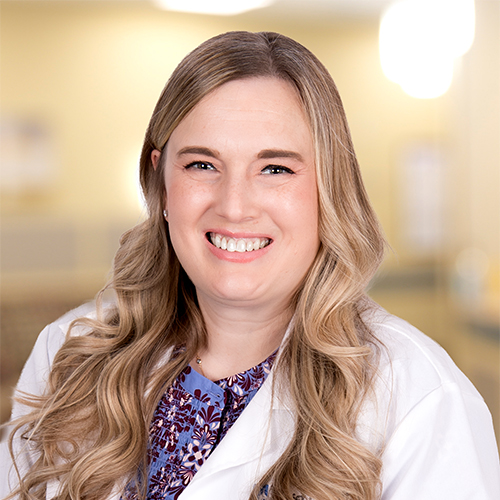 Katherine P. Williamson, DO
Obstetrics & Gynecology
- Conversations for Confidence: Expert Answers on Hip SurgeryConsidering hip replacement? The Christ Hospital surgeon Dr. Matthew Mangini answers real patient questions on causes, surgery options and recovery.
- Conversations for Confidence: Expert Answers About HerniasBulge, groin pain or heartburn? Our experts explain the types of hernias and their symptoms, treatments options, and recovery.
- Conversations for Confidence: Expert Answers About Heart Rhythm DisordersHeart palpitations or an irregular heartbeat can be harmless or a sign of risk for major cardiovascular problems. How do you know, and when should you seek care? Our electrophysiology experts answer these and more questions about heart rhythm disorders.
- Conversations for Confidence: Expert Answers About Spine CareIf you have back or neck pain, confusion and uncertainty about treatment options can add to your frustration. Here are some answers from our experts to help you find relief.
- Conversations for Confidence: Expert Answers About Cancer SurgeryConsidering cancer surgery – or preparing for an upcoming procedure – can raise a lot of questions. Leading experts answer real questions from real people about cancer surgery.
- Conversations for Confidence: Expert Answers About Heart SurgeryHearing you may need heart surgery can feel overwhelming. It’s important to understand your options and feel confident about your care. Leading experts answer real questions from real people about heart surgery.
- Conversations for Confidence: Expert Answers About Orthopedic SurgeryYou know it hurts, but you have questions before deciding on a plan for treatment. Leading experts answer real questions from real people about orthopedic surgery.



Upcoming Webinar
Conversations for Confidence: Expert Answers on Shoulder Surgery
November 11, 2026, Noon - 1 p.m.