

February brings a full calendar of moments to celebrate, including the Super Bowl, Valentine’s Day, and the important reminder that it’s also American Heart Month. I appreciate that we dedicate an entire month to heart health—it’s the perfect opportunity to learn how to care for our hearts and to take advantage of heart and vascular screenings offered by The Christ Hospital Health Network. These screenings play an important role in early detection, and The Christ Hospital even provides a mobile heart and vascular unit where you can conveniently schedule an appointment. Kathy Ziegler, Clinical Director of the Heart and Vascular Institute at The Christ Hospital, shared more with me about the value of these screenings and what you can expect from the process.
The importance of heart screenings
Heart and vascular screenings are so important, but why? Kathy said, “That’s because it could save your life! Often, we don’t have symptoms until something devastating happens like a stroke, heart attack, or aneurysmal rupture. Screening helps catch potential issues before they become serious — when they’re easier to manage and treat.”
Everyone can get a screening, but Kathy said heart and vascular screenings are “recommended for anyone 60 or older, but — especially people 50 years or older with high blood pressure, high cholesterol, diabetes, who smoke or, have a family history of heart disease, stroke, peripheral vascular disease, or abdominal aneurysm. But we don’t discriminate, anyone who is worried about their heart and vascular health and wants to be proactive can get the screening.”
What to expect
I know that people can often feel a little nervous about having a heart and vascular screening, so it’s important to know what to expect. Kathy said, “It is very easy! It is four quick tests that are pieces of big tests, but they are the most important pieces.”
Here's what the screening includes:
A 30 second EKG to check your heart rhythm and determine if you're in atrial fibrillation.
Blood pressure measurements in both arms and both ankles to assess circulation in your legs.
An abdominal ultrasound to examine your abdominal aorta and check for aneurysms.
A carotid ultrasound to look for plaque buildup in your internal carotid arteries, which can increase stroke risk.
And the results from your screening happen pretty quickly and appear in your MyChart. Kathy explained, “The EKG portion of the screening will be read by one of our cardiologists and the remaining portions are read by one of our vascular surgeons. Your results will appear in your TCH MyChart if you have it, and if you don’t, we will mail your results to you, and they will also go to your primary care provider.
“Results give clarity. Some people get peace of mind, while others receive recommendations for follow-up care, lifestyle changes, or next steps with a provider — all focused-on prevention and early intervention.”
Take charge of your health
If you have a family history of heart or vascular disease—or simply want to be proactive—now is a great time to get started. You can schedule your screening online, choosing the time and location that works best for you. No physician referral is required, and the screening is an out‑of‑pocket set cost of $75.
You can also schedule by calling The Christ Hospital scheduling department at 513‑585‑2668.
Most screenings take place on The Christ Hospital Mobile Heart Unit at one of their convenient outpatient center locations, but you can also choose to have your screening completed at the main campus if you prefer.
Take a step toward protecting your health this February—and beyond.
About Jennifer Fritsch
Jennifer Fritsch is part of the Jeff and Jenn Morning Show on Q102, which airs on weekdays from 5:30-10 a.m. She is also a co-host on Q102’s Hot List, weekdays at 10 a.m. When she isn't working, Fritsch enjoys traveling, visiting new places and of course, being a mom! She has a daughter named Penelope, and thoroughly enjoys trying new things together as a mother/daughter duo. As a paid partner of The Christ Hospital Health Network, Fritsch is eager to share all experiences through through blogging and social media.
Featured in This Post
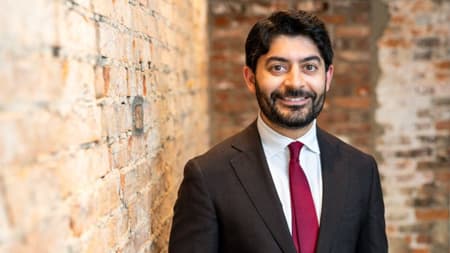 Courier's 2026 40 Under 40 winners step into the spotlight - opens in a new tab - external linkThe Cincinnati Business Courier held its annual celebration for the 40 Under 40 list for 2026. This year's list includes Cardiac Surgeon Saad Hasan from The Christ Hospital Health Network.
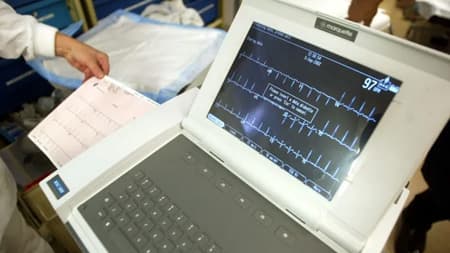 AI EKG Tool Authorized by FDA Aims to Flag Heart Attacks That Standard ST-Elevation Criteria Can Miss - opens in a new tab - external linkThe Food and Drug Administration has authorized an artificial intelligence model that reads a standard 12-lead EKG and flags signs of the most urgent heart attacks, including patterns that conventional EKG criteria can miss. The decision targets a known gap in emergency heart care.
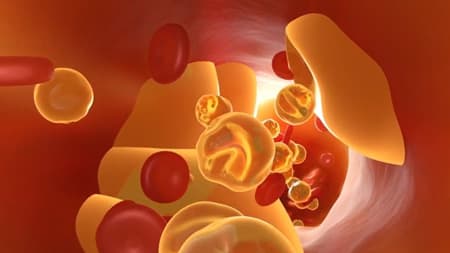 The Christ Hospital seeks volunteers for single-shot treatment that may fix high cholesterol - opens in a new tab - external linkThe Christ Hospital is recruiting volunteers for a clinical trial of a cholesterol treatment that researchers say could genetically fix high cholesterol — potentially for life. Dr. Dean Kereiakes is leading the study of a single injection that changes a patient's genetics to reduce high cholesterol.
 More Than “Go Juice”—Coffee Can Help Your HeartGood news for coffee lovers! Recent guidance from the American Heart Association says your daily cup, or cups, of Joe may actually provide several heart-protective benefits. Here’s what you need to know.
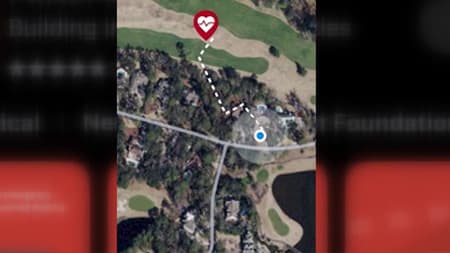 Hamilton County rolls out app that turns bystanders into cardiac arrest responders - opens in a new tab - external linkHamilton County is rolling out new app called PulsePoint that is designed to turn everyday citizens into first responders during cardiac emergencies. It notifies users who have indicated they are trained in CPR and willing to help when a possible cardiac arrest is reported in a public place.
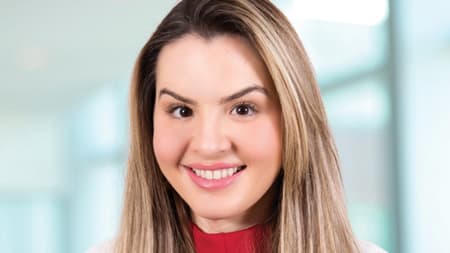 Christ Hospital doc to lead clinical trial on heart disease reversal drug - opens in a new tab - external linkThe Christ Hospital's Odayme Quesada, MD has a $3.6 million grant from the National Institutes of Health to study a possible new treatment for a form of a heart disease that disproportionately affects women and is frequently misdiagnosed.
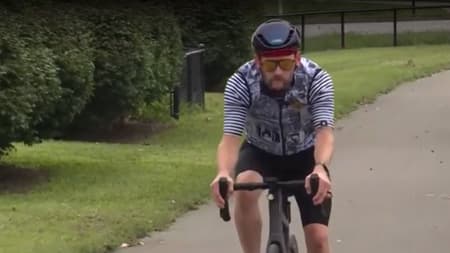 Cyclist competing in Cincinnati Tour de CROWN 30 years after heart transplant - opens in a new tab - external linkA cyclist is going the distance despite an inherited heart condition that doctors deemed deadly. Gerald Shell has been living with someone else’s heart for 30 years, though doctors predicted he would live maybe another 10 after he received the transplant. Now, he’s making the most of this gift of life.
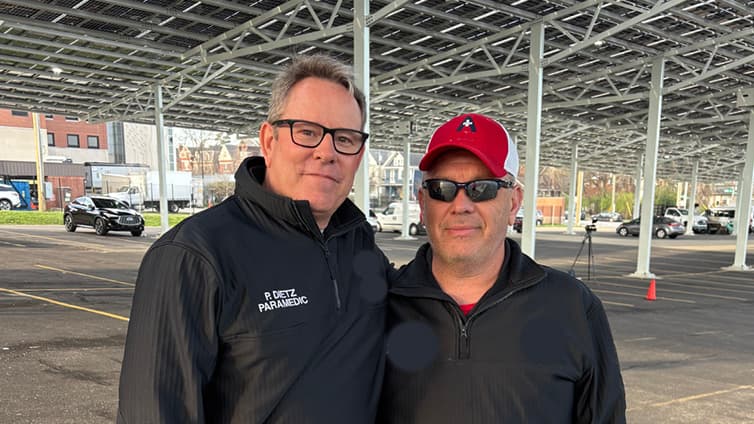 An Unexpected Discovery: Philip’s Coronary Microvascular Disease StoryWhile leading an EMS conference, Philip Dietz heard something unexpected: his own symptoms. Then a second opinion from leading heart experts helped him find answers at last.