Patient with “No Options” Undergoes Innovative Heart Surgery

​​​​​​For Bob Siemer, his fourth heart surgery was a first-in-the-world procedure. It was also an operation that saved his life.

After three open-heart surgeries and a heart infection, Bob faced a new challenge for his heart. His bypass grafts had failed, and he was left with severe blockages preventing normal blood flow to most of his heart. In addition, the last surgery to treat his heart infection meant that his native vessels were no longer attached to his new aortic graft. Without surgical intervention, a heart attack, or worse, was almost unavoidable. But another surgery would be complicated—and potentially life-threatening. His situation felt like a catch-22 and most doctors said treatment wasn’t an option.

“I heard doctors say that there was no way surgery was going to happen,” says Bob, a 70-year-old retired grandfather. “I was too high risk for another open-heart surgery. But I didn’t have much of a choice. I had to do something.”

That’s when Bob found Jarrod Frizzell, MD, a board-certified interventional cardiologist and director of Complex Coronary Therapeutics at The Christ Hospital Physicians-Heart & Vascular. He’s known for taking on the most challenging patient cases.

And, in this instance, he developed an innovative approach that overcame Bob’s unique challenges and restored his blood flow.

A Long Journey with Heart Disease

Bob’s battle with heart disease started at age 49. During a routine stress test, his cardiologist identified a malfunctioning aortic valve. He had surgery to replace the valve.

Fifteen years later, he needed another surgery to replace that same valve when it stopped working. He recovered well. But within a year, he felt sick again and collapsed on his way to a doctor’s appointment. Doctors diagnosed endocarditis, a life-threatening infection of the heart that Bob couldn’t fight because his replacement valve was prosthetic (artificial).

“I was very sick, maybe a day or so from dying. When they opened me up and touched my heart, it was like peanut brittle. It started breaking apart because of the infection,” he says. “They put cadaver tissue on top of my heart, and I ended up losing my leg and toes on my other foot because of the infection. I was lucky to be alive.”

An Unexpected Outcome

The surgery that implanted the cadaver aorta and valve helped cure Bob’s infection. But the procedure left him without an artery on one side of his heart. He needed two bypass grafts to direct his blood flow. The grafts worked for a while, yet his heart troubles didn’t end there.

After he started having significant symptoms, chest pain and feeling so tired and short of breath, he ended up sitting in a recliner much of the day, doctors later discovered one of the grafts had failed and the other vessel was 99 percent blocked. Bob had chronic total occlusion (CTO)—a nearly complete artery blockage that had existed for at least three months—and he needed a stent to restore his blood flow. Unfortunately, he had no connection between his native heart arteries and his cadaver aorta, with the gap filled with dense scar tissue such that placing a stent didn’t seem possible. A fourth open-heart surgery was so fraught with risk that it was not an option.

To find a solution, Bob says his cardiologist referred him to Dr. Frizzell.

A New Strategy to Break a Blockage

According to Dr. Frizzell, standard techniques for placing a stent and opening a CTO wouldn’t work for Bob. Fixing the problem would require an innovative solution.

“He didn’t have an existing vessel where we could put the stent, and the gap between his heart artery and aorta was filled with solid scar tissue,” he says. “After consulting with many of our cardiac surgeons, I came up with an idea of how to make this treatment work.”

By combining a traditional CTO stent procedure and a special technique called electrocautery, Dr. Frizzell cut through Bob’s scar tissue and created a new artery. Electrocautery uses a heated wire to pierce through abnormal tissue or blocked blood vessels.

“I used the electrified wire to cut through the scar tissue and get into the aorta,” he says, describing the one-hour procedure. “Then, using a balloon, I dilated the scar tissue, placed the stent and restored normal blood flow throughout all of Bob’s heart arteries.”

A Renewed Lease on Life
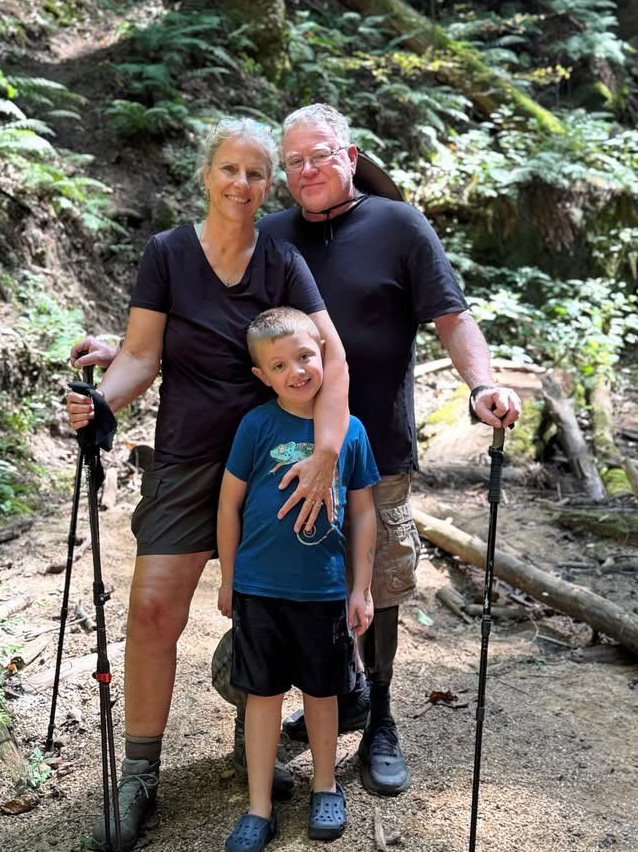
Bob Siemer Chronic Total OcclusionBefore his surgeries, Bob was an avid skydiver, snow skier, and motorcycle rider. After his surgeries and amputations, life is slower. But he stays active and enjoys life with his wife, children and grandchild.​

“I only have one foot, so it makes doing things a lot harder,” he says. “But I’ve had these surgeries, I have cadaver tissue, and Dr. Frizzell performed this procedure that saved my life. It all helped me, so maybe telling my story will help someone else.”

Dr. Frizzell agrees that Bob’s experience highlights the vast amount of leading-edge treatments available to individuals with complex needs.

“My message to patients who feel like nothing can be done for them is that we have options. Techniques like the one in this exceptional case are out there, and we can use them to treat you,” he says. “For people told they have no options and must live with their symptoms, we have ways around that. One of the great things about The Christ Hospital is that we have the type of collaboration that helps people across the spectrum of heart disease.”

Frequently Asked Questions About CTO

Q: What is chronic total occlusion?
A: Chronic total occlusion is a complete blockage of your coronary artery that has existed for at least three months. The blockage is a result of severe atherosclerosis. It causes significant chest pain, fatigue, and shortness of breath.

Q: How is chronic total occlusion treated?
A: We treat chronic total occlusion with procedures that restore blood flow to the heart. Common options include coronary artery bypass grafting (CABG) and percutaneous coronary intervention (PCI), which uses a catheter and stent. If you have a more complex case, you may need advanced techniques.

Q: What is endocarditis?
A: Endocarditis is a life-threatening bacterial infection that impacts the inner lining of your heart. It causes inflammation, fatigue, fever and heart murmurs. People with artificial heart valves and structural heart defects have the highest risk of developing endocarditis.

Jarrod Frizzell, MD

​​Jarrod Frizzell, MD, MS, FACC, FSCAI, is a board-certified interventional cardiologist and director of Complex Coronary Therapeutics at The Christ Hospital Physicians-Heart & Vascular. He specializes in complex, higher-risk interventional procedures (CHIP), cardiac catheterizations, and placing stents to restore normal blood flow in arteries that have been blocked for months or years.​​​

Patient with “No Options” Undergoes Innovative Heart Surgery Bob Siemer needed a fourth heart surgery to treat chronic total occlusion. Providers at The Christ Hospital treated him with an innovative technique.

​​​​​​For Bob Siemer, his fourth heart surgery was a first-in-the-world procedure. It was also an operation that saved his life.

After three open-heart surgeries and a heart infection, Bob faced a new challenge for his heart. His bypass grafts had failed, and he was left with severe blockages preventing normal blood flow to most of his heart. In addition, the last surgery to treat his heart infection meant that his native vessels were no longer attached to his new aortic graft. Without surgical intervention, a heart attack, or worse, was almost unavoidable. But another surgery would be complicated—and potentially life-threatening. His situation felt like a catch-22 and most doctors said treatment wasn’t an option.

“I heard doctors say that there was no way surgery was going to happen,” says Bob, a 70-year-old retired grandfather. “I was too high risk for another open-heart surgery. But I didn’t have much of a choice. I had to do something.”

That’s when Bob found Jarrod Frizzell, MD, a board-certified interventional cardiologist and director of Complex Coronary Therapeutics at The Christ Hospital Physicians-Heart & Vascular. He’s known for taking on the most challenging patient cases.

And, in this instance, he developed an innovative approach that overcame Bob’s unique challenges and restored his blood flow.

A Long Journey with Heart Disease

Bob’s battle with heart disease started at age 49. During a routine stress test, his cardiologist identified a malfunctioning aortic valve. He had surgery to replace the valve.

Fifteen years later, he needed another surgery to replace that same valve when it stopped working. He recovered well. But within a year, he felt sick again and collapsed on his way to a doctor’s appointment. Doctors diagnosed endocarditis, a life-threatening infection of the heart that Bob couldn’t fight because his replacement valve was prosthetic (artificial).

“I was very sick, maybe a day or so from dying. When they opened me up and touched my heart, it was like peanut brittle. It started breaking apart because of the infection,” he says. “They put cadaver tissue on top of my heart, and I ended up losing my leg and toes on my other foot because of the infection. I was lucky to be alive.”

An Unexpected Outcome

The surgery that implanted the cadaver aorta and valve helped cure Bob’s infection. But the procedure left him without an artery on one side of his heart. He needed two bypass grafts to direct his blood flow. The grafts worked for a while, yet his heart troubles didn’t end there.

After he started having significant symptoms, chest pain and feeling so tired and short of breath, he ended up sitting in a recliner much of the day, doctors later discovered one of the grafts had failed and the other vessel was 99 percent blocked. Bob had chronic total occlusion (CTO)—a nearly complete artery blockage that had existed for at least three months—and he needed a stent to restore his blood flow. Unfortunately, he had no connection between his native heart arteries and his cadaver aorta, with the gap filled with dense scar tissue such that placing a stent didn’t seem possible. A fourth open-heart surgery was so fraught with risk that it was not an option.

To find a solution, Bob says his cardiologist referred him to Dr. Frizzell.

A New Strategy to Break a Blockage

According to Dr. Frizzell, standard techniques for placing a stent and opening a CTO wouldn’t work for Bob. Fixing the problem would require an innovative solution.

“He didn’t have an existing vessel where we could put the stent, and the gap between his heart artery and aorta was filled with solid scar tissue,” he says. “After consulting with many of our cardiac surgeons, I came up with an idea of how to make this treatment work.”

By combining a traditional CTO stent procedure and a special technique called electrocautery, Dr. Frizzell cut through Bob’s scar tissue and created a new artery. Electrocautery uses a heated wire to pierce through abnormal tissue or blocked blood vessels.

“I used the electrified wire to cut through the scar tissue and get into the aorta,” he says, describing the one-hour procedure. “Then, using a balloon, I dilated the scar tissue, placed the stent and restored normal blood flow throughout all of Bob’s heart arteries.”

A Renewed Lease on Life

Bob Siemer Chronic Total OcclusionBefore his surgeries, Bob was an avid skydiver, snow skier, and motorcycle rider. After his surgeries and amputations, life is slower. But he stays active and enjoys life with his wife, children and grandchild.​

“I only have one foot, so it makes doing things a lot harder,” he says. “But I’ve had these surgeries, I have cadaver tissue, and Dr. Frizzell performed this procedure that saved my life. It all helped me, so maybe telling my story will help someone else.”

Dr. Frizzell agrees that Bob’s experience highlights the vast amount of leading-edge treatments available to individuals with complex needs.

“My message to patients who feel like nothing can be done for them is that we have options. Techniques like the one in this exceptional case are out there, and we can use them to treat you,” he says. “For people told they have no options and must live with their symptoms, we have ways around that. One of the great things about The Christ Hospital is that we have the type of collaboration that helps people across the spectrum of heart disease.”

Frequently Asked Questions About CTO

Q: What is chronic total occlusion?
A: Chronic total occlusion is a complete blockage of your coronary artery that has existed for at least three months. The blockage is a result of severe atherosclerosis. It causes significant chest pain, fatigue, and shortness of breath.

Q: How is chronic total occlusion treated?
A: We treat chronic total occlusion with procedures that restore blood flow to the heart. Common options include coronary artery bypass grafting (CABG) and percutaneous coronary intervention (PCI), which uses a catheter and stent. If you have a more complex case, you may need advanced techniques.

Q: What is endocarditis?
A: Endocarditis is a life-threatening bacterial infection that impacts the inner lining of your heart. It causes inflammation, fatigue, fever and heart murmurs. People with artificial heart valves and structural heart defects have the highest risk of developing endocarditis.

/PublishingImages/Healthspirations%20Photos/Article/BobSiemerCTO.jpg https://www.thechristhospital.com/PublishingImages/Healthspirations%20Photos/Article/BobSiemerCTO.jpg /Pages/Healthspirations/Bob-Siemer-Chronic-Total-Occlusion.aspx
The Christ Hosptial